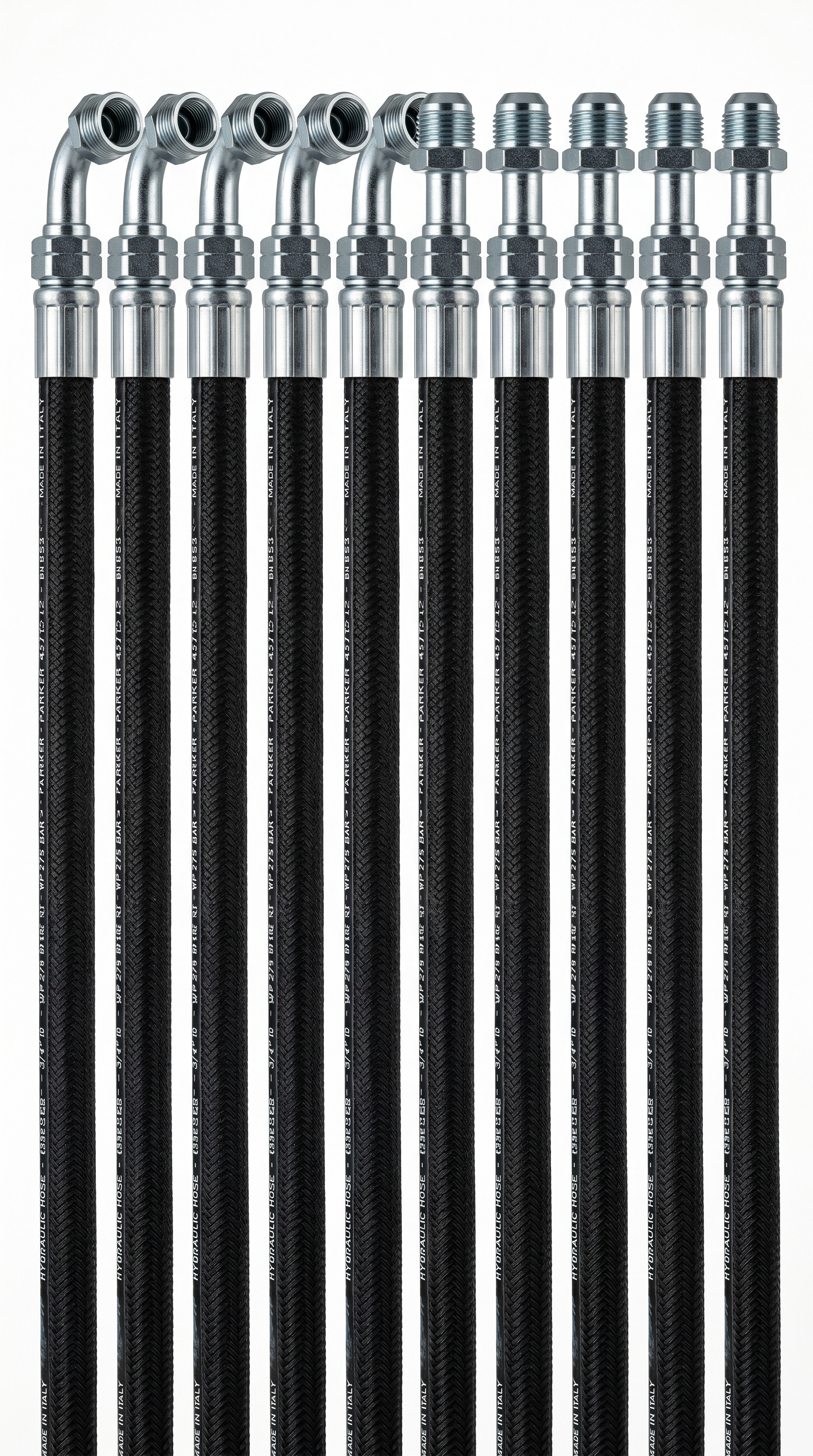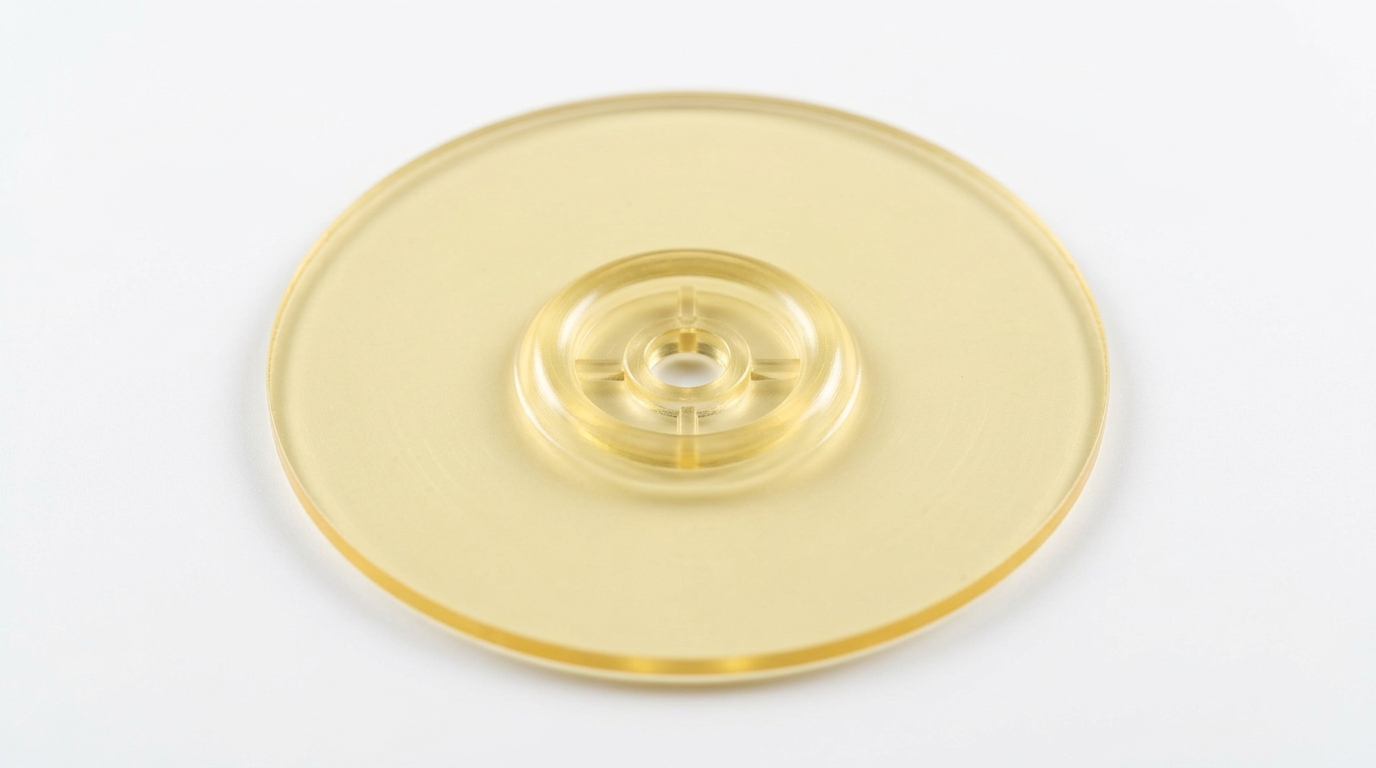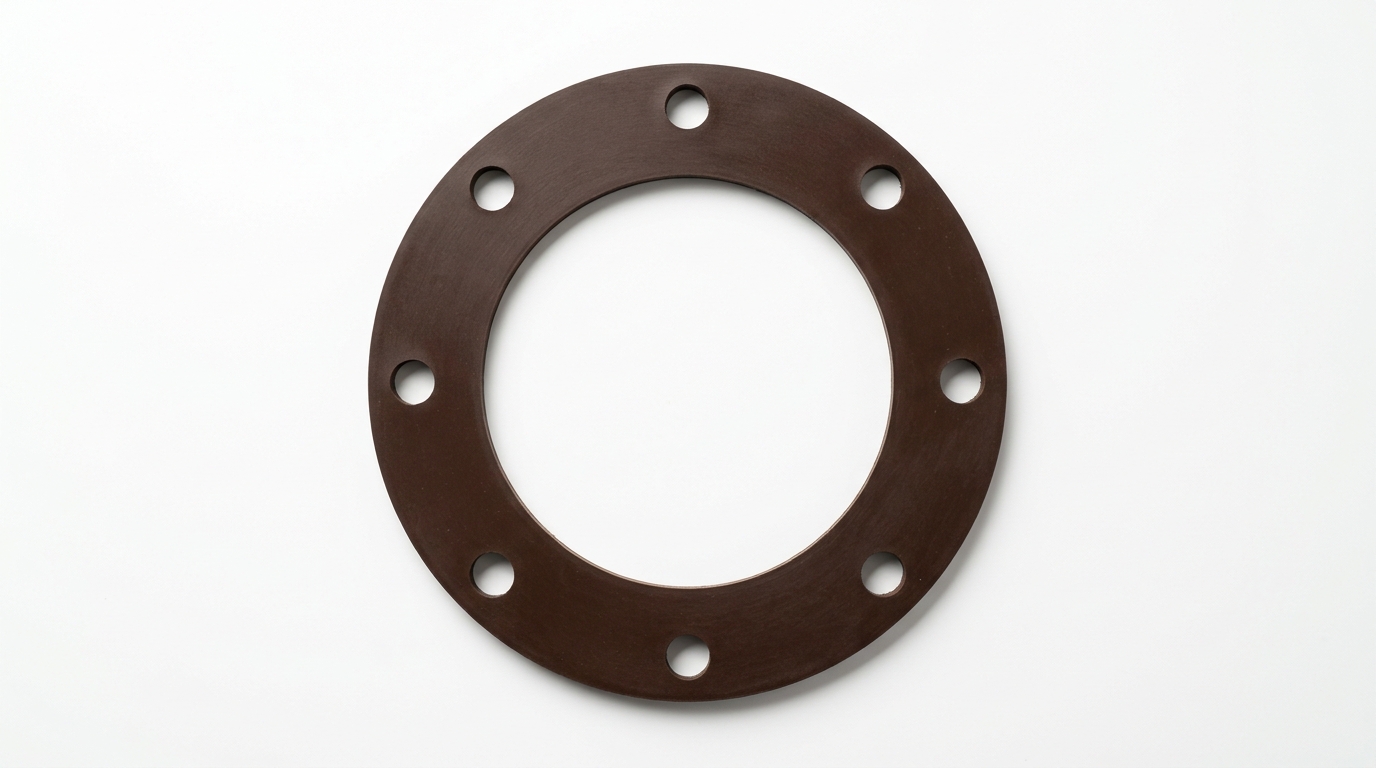
Trusted Industrial Partner

Industries
We Serve

Sri City Industrial Solutions supplies high-performance rubber, sealing, PTFE, polyurethane, and engineering products engineered to improve equipment reliability, reduce maintenance costs, and maximize operational efficiency across every industry.

10+
Industries Served
500+
Product Variants
8+
Material Grades
PAN India
Fast Delivery
Why Industries Trust Us

Precision Sealing for Demanding Conditions

Industrial equipment operates under demanding conditions — high pressure, extreme temperature, corrosive chemicals, abrasion, vibration, and continuous operation. Selecting the correct sealing material is critical for equipment performance and long service life. Sri City Industrial Solutions supplies products manufactured from premium-quality materials that meet the highest industrial requirements for durability, chemical resistance, and mechanical performance.
Premium Materials
Wide Product Range
Technical Support
Custom Solutions
Fast Pan-India Delivery
Reliable Performance
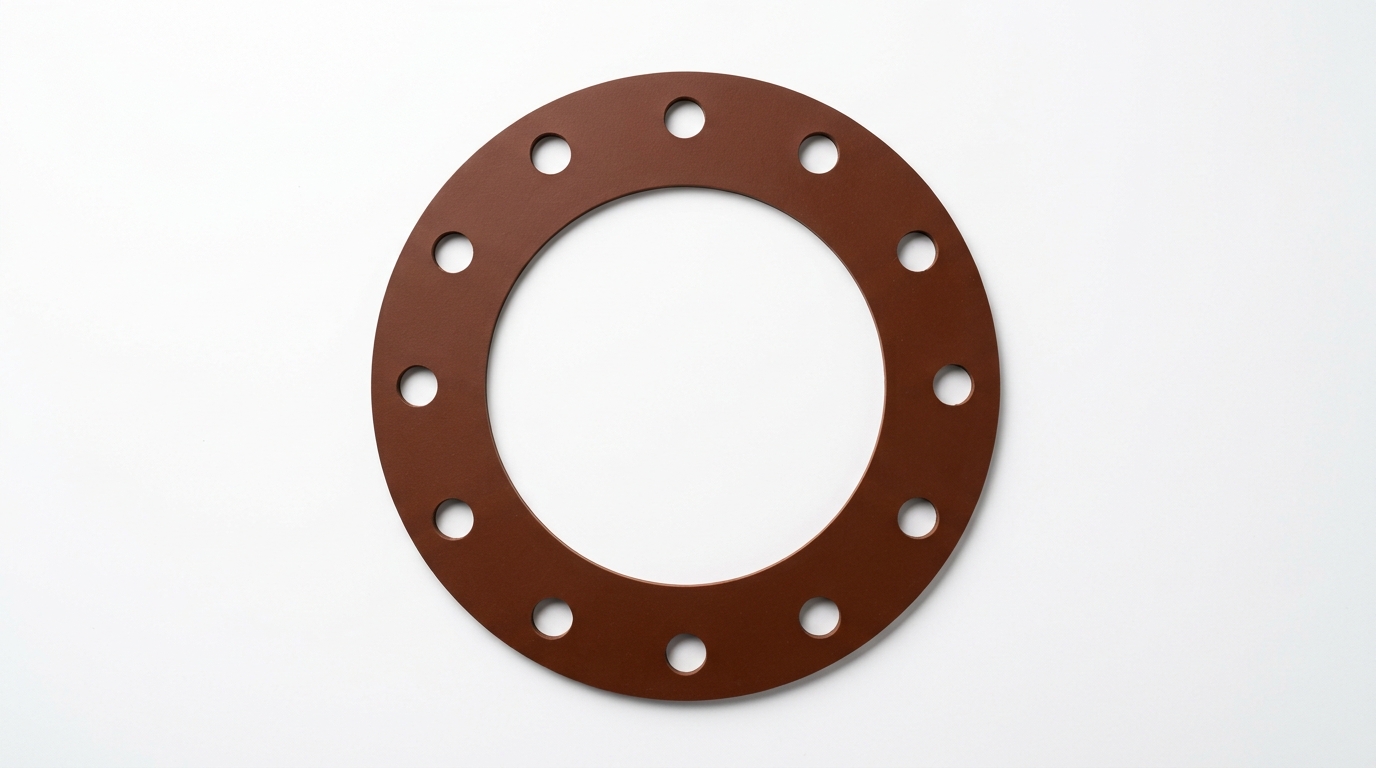
Industrial Products
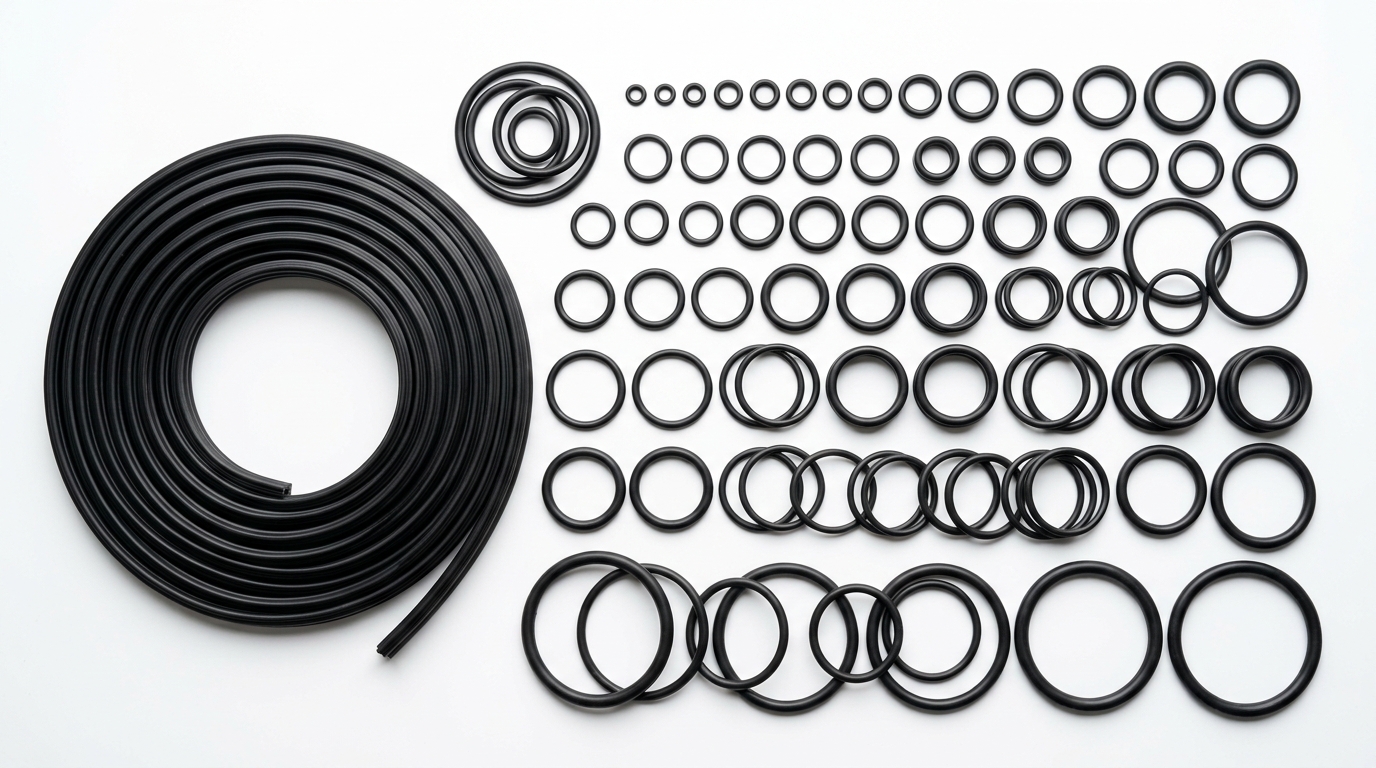
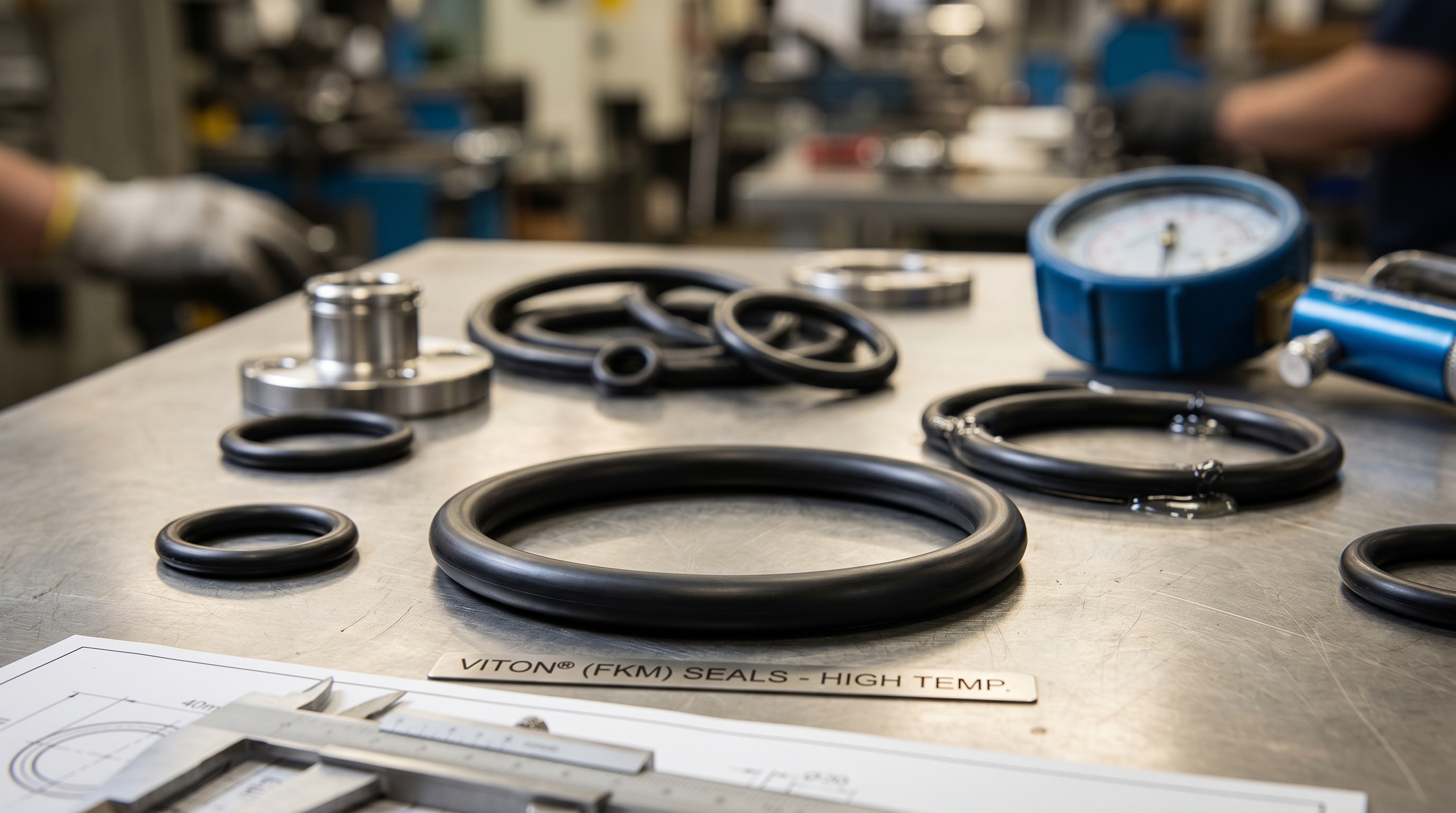
Viton O-Rings
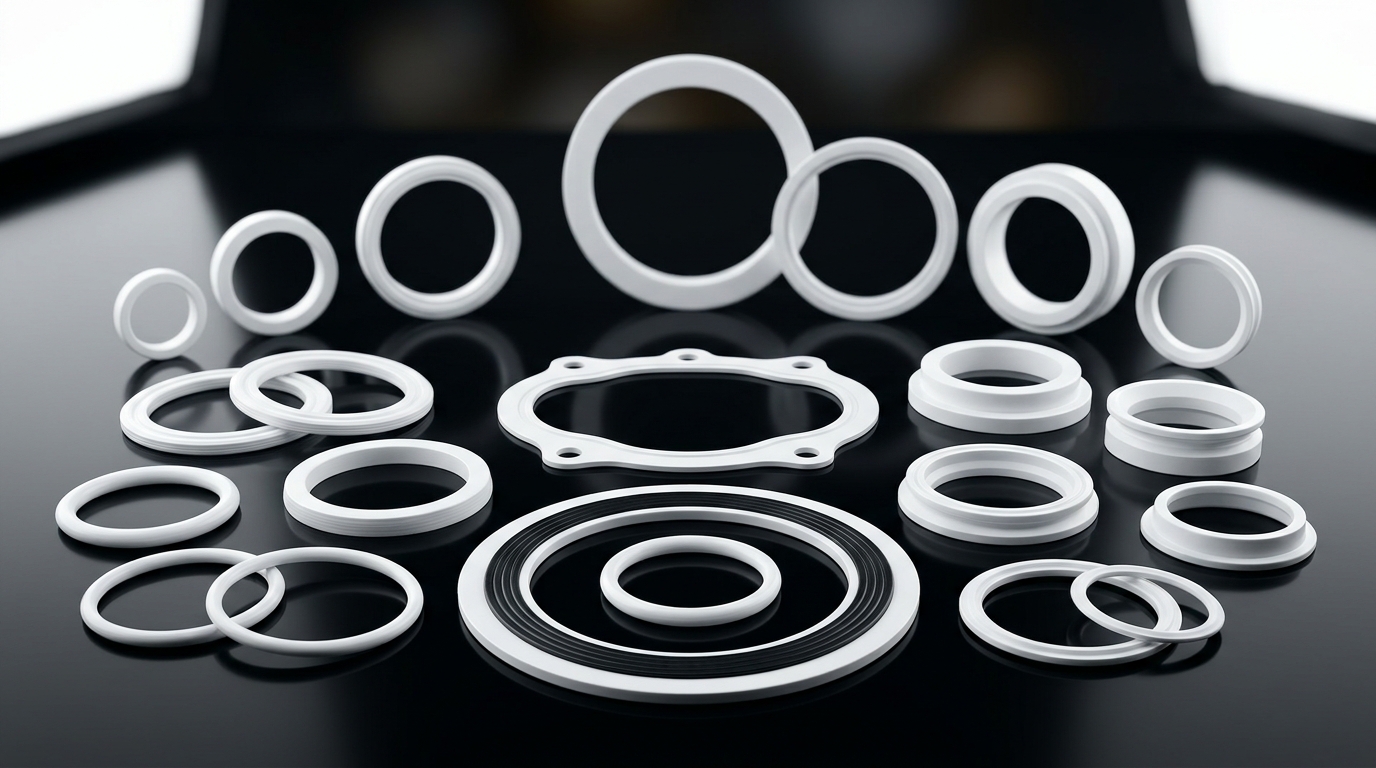
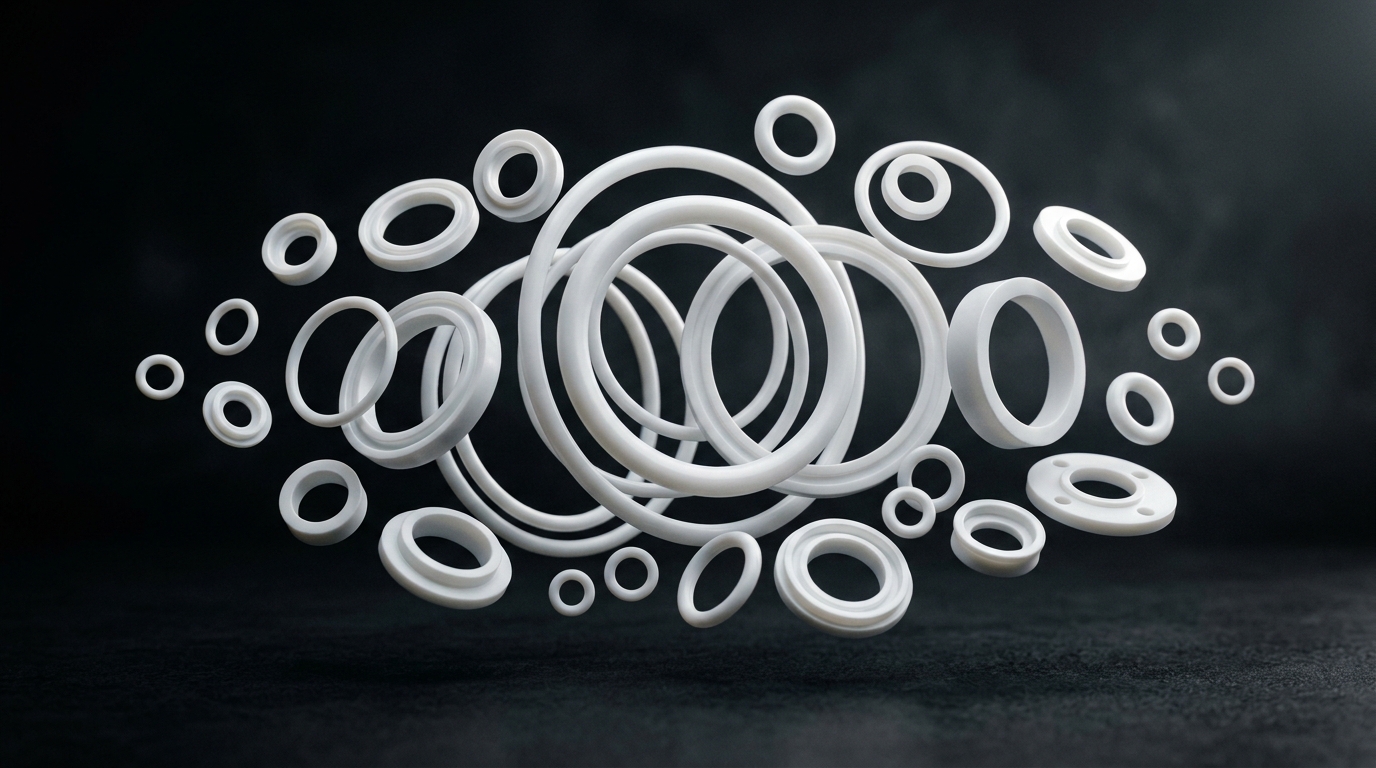
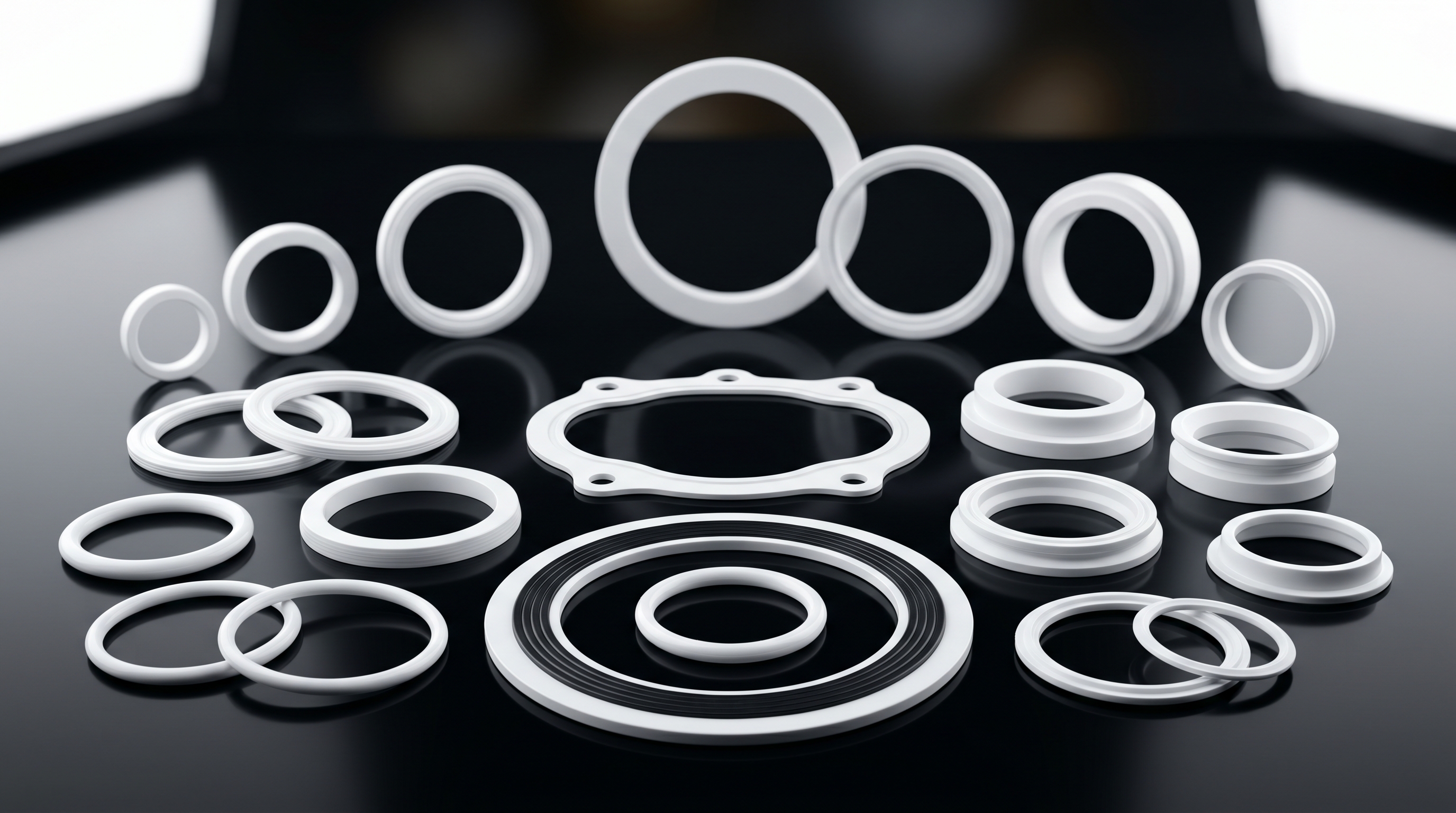
PTFE Seals
All Industries

10 Industries We Specialize In

From automotive to heavy engineering — we deliver precision-engineered sealing solutions for every sector's unique demands.

Industry 01

Automotive Industry

Modern automobiles rely on hundreds of precisely engineered rubber and sealing components to maintain performance, fuel efficiency, and safety. From engine compartments operating at high temperatures to hydraulic braking systems under constant pressure, sealing integrity is non-negotiable. Sri City Industrial Solutions supplies premium-grade seals, O-Rings, and gaskets designed to withstand the extreme demands of automotive applications — delivering leak-free performance, vibration damping, and long service life.

Automotive Sealing Products
Common Challenges
  • Oil and fluid leakage from engine components
  • Fuel resistance in high-pressure fuel systems
  • Extreme temperature cycling (–40°C to +200°C)
  • Continuous mechanical vibration and dynamic loads
  • Accelerated wear in high-speed rotating assemblies
Products Used
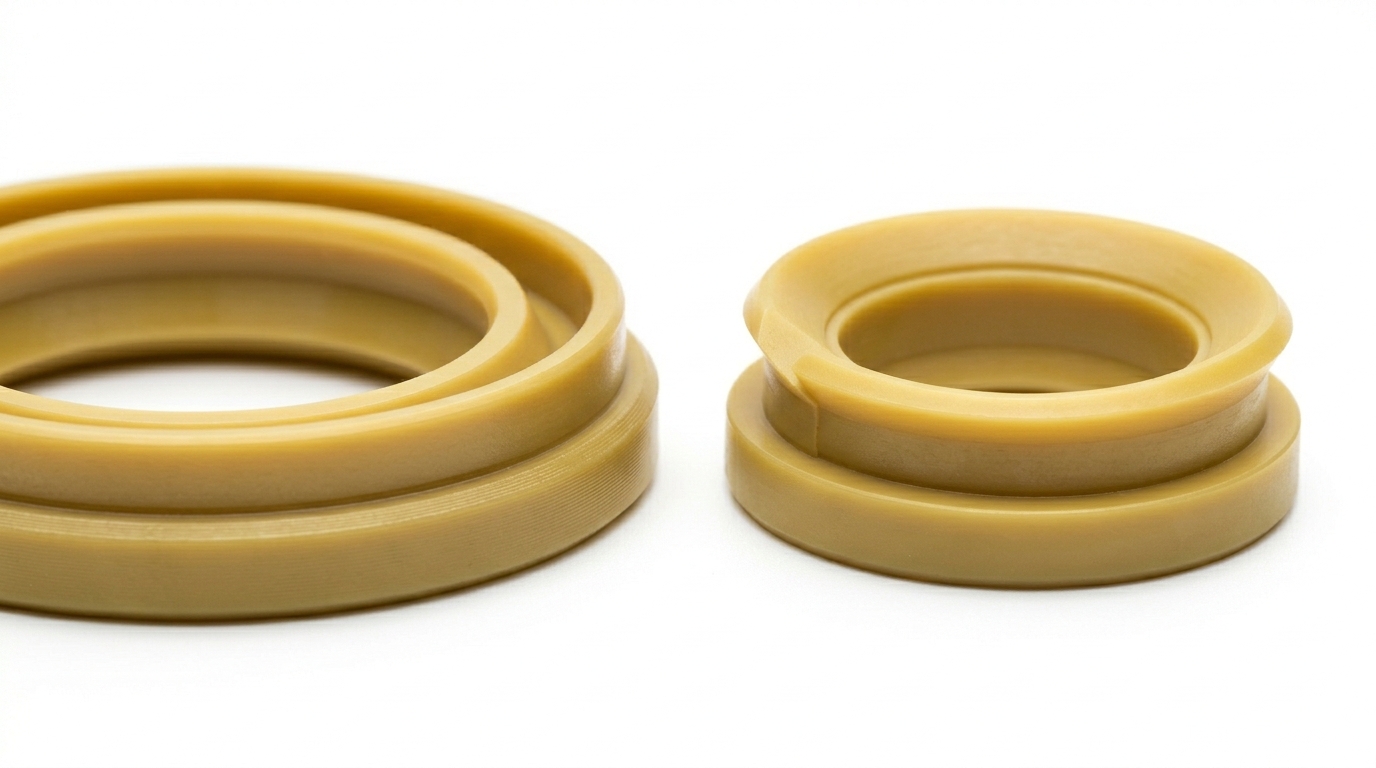
O-RingsOil SealsHydraulic SealsRubber GasketsRubber SheetsPTFE ComponentsDiaphragmsPneumatic Seals
Recommended Materials
NBRViton FKMSiliconePTFE
Key Applications
Engine Systems
Transmission
Fuel Systems
Brake Systems
Cooling Systems
Air Conditioning
Hydraulic Systems
Suspension Units
Excellent Oil Resistance
Long Service Life
Reliable Sealing
Temperature Resistance
Reduced Maintenance
Which material is best suited for engine oil sealing applications?
NBR (Nitrile Rubber) is the industry standard for engine oil applications due to its excellent resistance to mineral oils, petroleum-based fluids, and hydraulic fluids. For high-temperature applications above 120°C, Viton (FKM) is recommended.
Which seal is best for automotive fuel systems?
Viton (FKM) O-Rings and seals are ideal for fuel systems as they offer superior resistance to petrol, diesel, ethanol blends, and aromatic fuels. PTFE components are also used where chemical inertness is paramount.
Can Viton seals handle the high temperatures in engine applications?
Yes. Viton (FKM) seals perform reliably in continuous service up to 200°C and can withstand short-term peaks up to 230°C, making them the preferred choice for engine bay sealing applications.
Need Automotive Sealing Solutions? Our team will help you select the right material for your application.
Industry 02

Manufacturing Industry

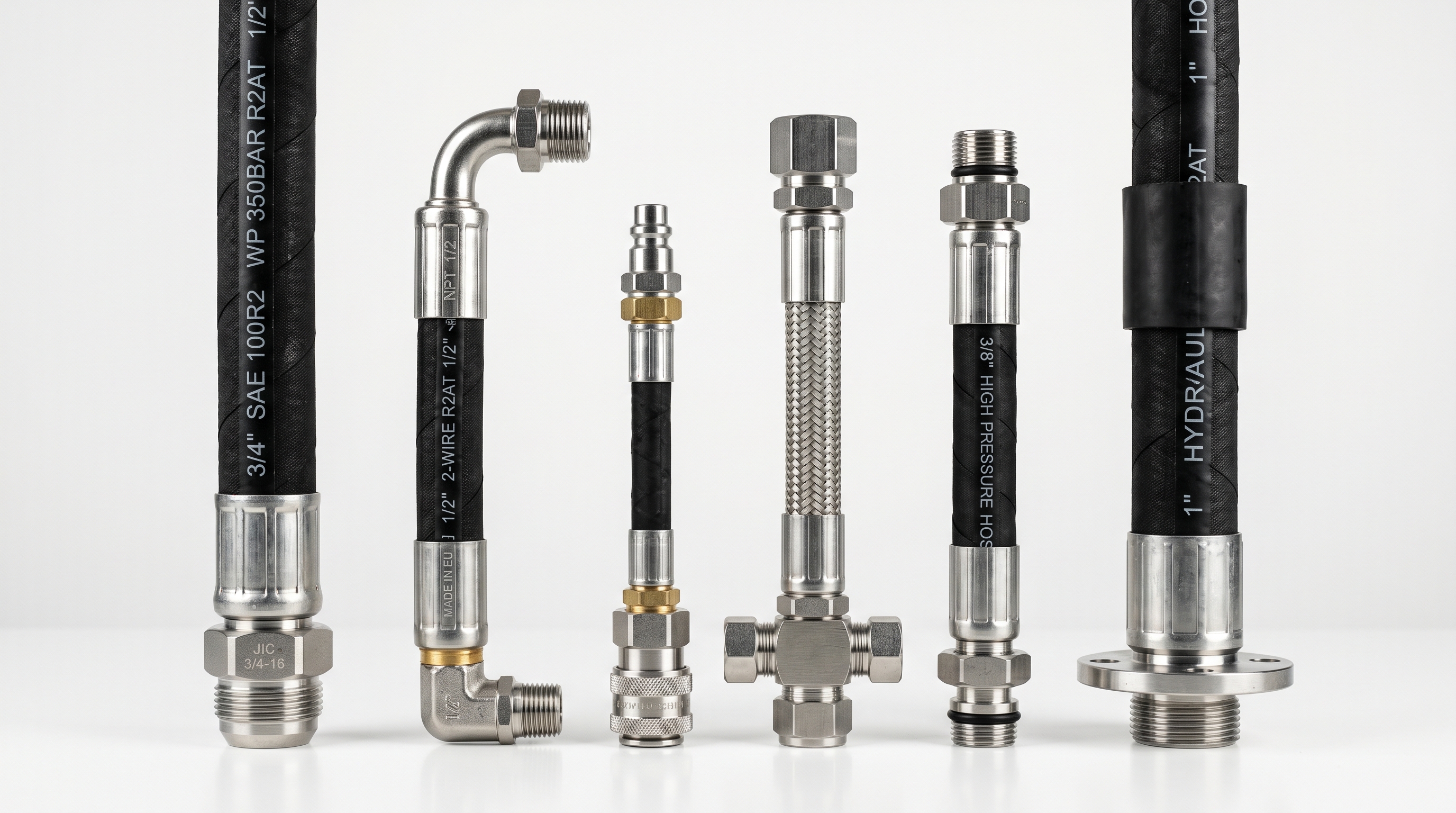
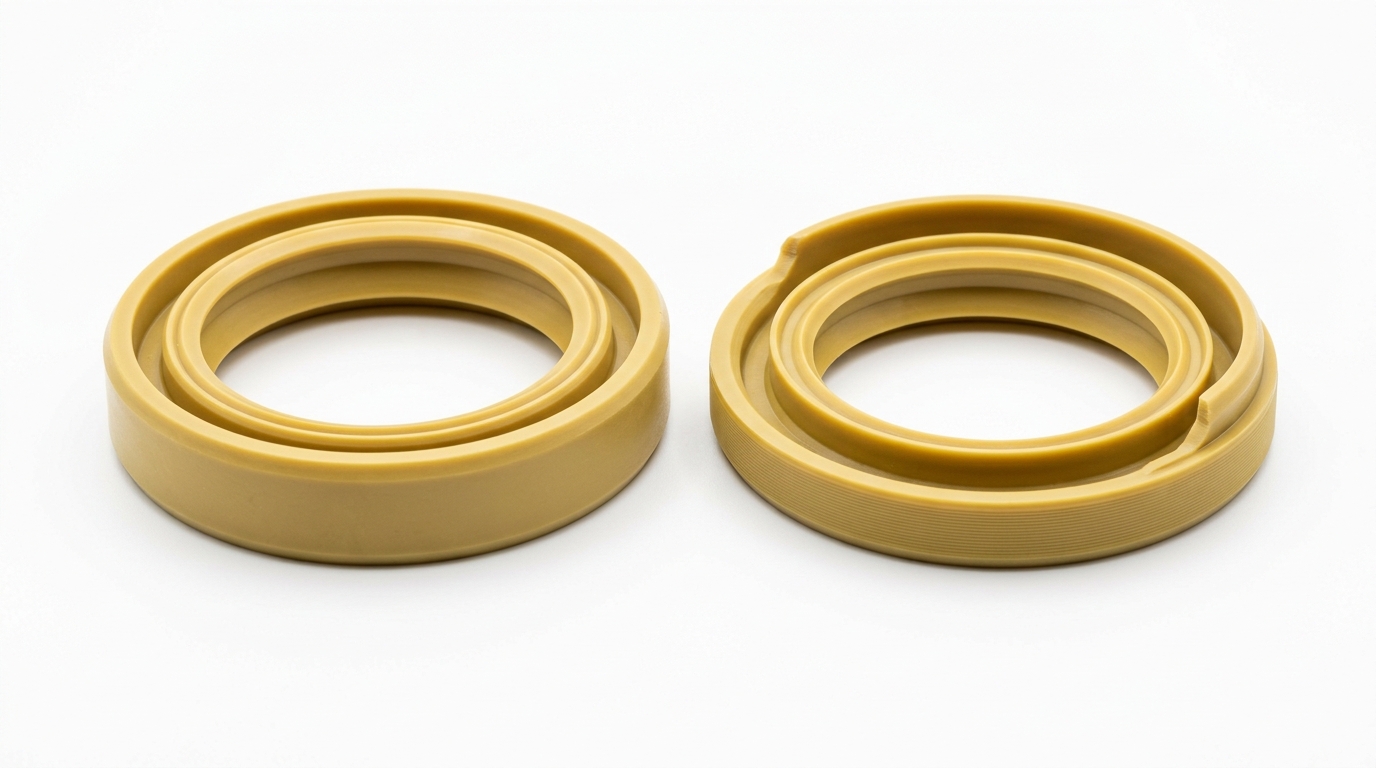
Industrial manufacturing relies on hydraulic and pneumatic systems that operate under high pressure and continuous duty cycles. Production lines, automated machinery, compressors, and material handling equipment all depend on dependable sealing to maintain operating pressure, prevent contamination, and ensure process consistency. The wrong seal material leads to costly downtime, fluid loss, and accelerated component wear.
Manufacturing Industry
Common Challenges
  • High-pressure hydraulic system leakage
  • Pneumatic system pressure loss and seal blow-out
  • Abrasion and wear in high-cycle machinery
  • Contamination ingress from external dust and particles
  • Temperature extremes in heat treatment areas
Products Used
Hydraulic SealsPneumatic SealsO-RingsRubber SheetsPTFE ProductsWiper SealsRod SealsPiston Seals
Recommended Materials
NBRPolyurethanePTFEViton FKM
Key Applications
Industrial Machinery
Compressors
Conveyor Systems
Automation Lines
Packaging Machines
CNC Equipment
High Pressure Rating
Reduced Downtime
Contamination Control
Extended Service Life
Lower Operating Cost
Which seals are recommended for high-pressure hydraulic systems?
Polyurethane (PU) seals are the preferred choice for hydraulic cylinders due to their superior abrasion resistance and high tensile strength. NBR O-Rings work well for static and low-dynamic applications at moderate pressures.
What is the difference between rod seals and piston seals?
Rod seals seal the outer diameter of a reciprocating piston rod to prevent fluid from escaping the cylinder. Piston seals seal the inner bore of the cylinder to prevent fluid from bypassing the piston, controlling motion and force.
Need Manufacturing Sealing Products? Get the right hydraulic and pneumatic seals for your production line.
Industry 03

Chemical Industry

Chemical processing plants handle some of the most aggressive substances known — strong acids, caustic alkalis, solvents, oxidizers, and proprietary chemical formulations. Equipment seals in this environment must provide absolute chemical compatibility to prevent dangerous leaks, corrosion-induced failure, and contamination of process streams. Material selection is critical, and only the highest-grade chemical-resistant elastomers should be considered.

Chemical Industry
Common Challenges
  • Aggressive chemical attack on standard rubber materials
  • High-concentration acid and alkali exposure
  • Wide temperature swings from cryogenic to high-heat
  • Ozone and UV degradation in outdoor installations
  • Pressure spikes in process pipelines and reactors
Products Used
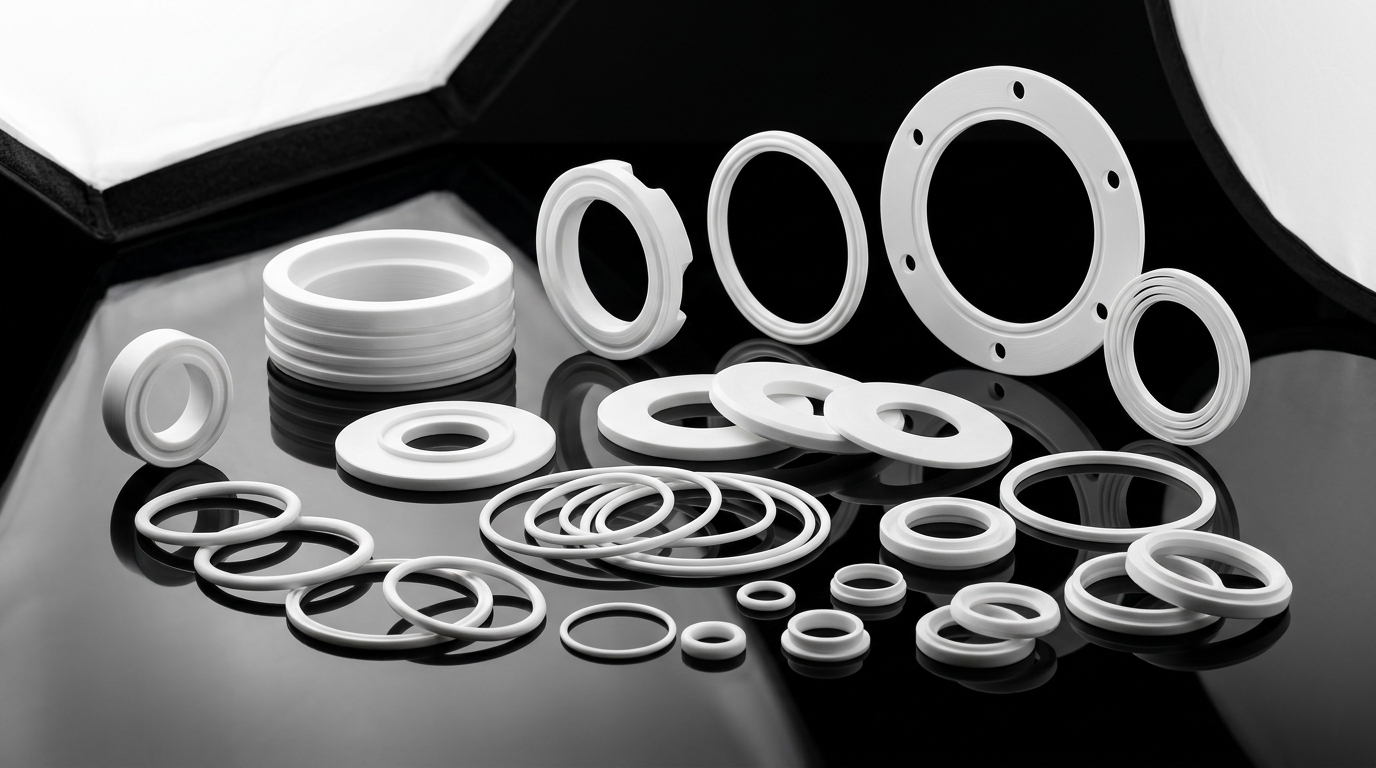
PTFE ProductsViton O-RingsChemical GasketsEPDM SealsDiaphragmsRubber Sheets
Recommended Materials
PTFEViton FKMEPDM
Key Applications
Chemical Pumps
Control Valves
Storage Tanks
Process Pipelines
Reactors & Vessels
Heat Exchangers
Chemical Resistance
Zero Leak Performance
Wide pH Range
High Temp. Rated
Process Safety
Which material is best for aggressive chemical environments?
PTFE offers the broadest chemical resistance — it is inert to virtually all acids, alkalis, and solvents. For dynamic sealing applications, Viton (FKM) provides excellent resistance to most chemicals while maintaining elastomeric flexibility.
Can EPDM be used in chemical plants?
EPDM is suitable for water-based chemicals, dilute acids, alkalis, steam, and ozone-rich environments. It is not recommended for petroleum-based fluids or aromatic solvents. Always confirm compatibility before specifying.
Need Chemical-Resistant Sealing? We help you select the correct material for your specific chemical process.
Industry 04

Pharmaceutical Industry

Pharmaceutical manufacturing operates under the most stringent hygiene and regulatory standards in the world. Every material that contacts the product must be biocompatible, extractable-free, and approved to relevant regulatory standards. Sealing components must not leach plasticizers, pigments, or curing agents that could contaminate drug products. Cleanroom compatibility and easy sterilization are essential requirements.
Pharmaceutical Sealing
Common Challenges
  • Biocompatibility and FDA/USP compliance requirements
  • Cleanroom contamination prevention
  • Steam sterilization (SIP/CIP) compatibility
  • Extractables and leachables into drug product
  • Tight dimensional tolerances for precision filling
Products Used
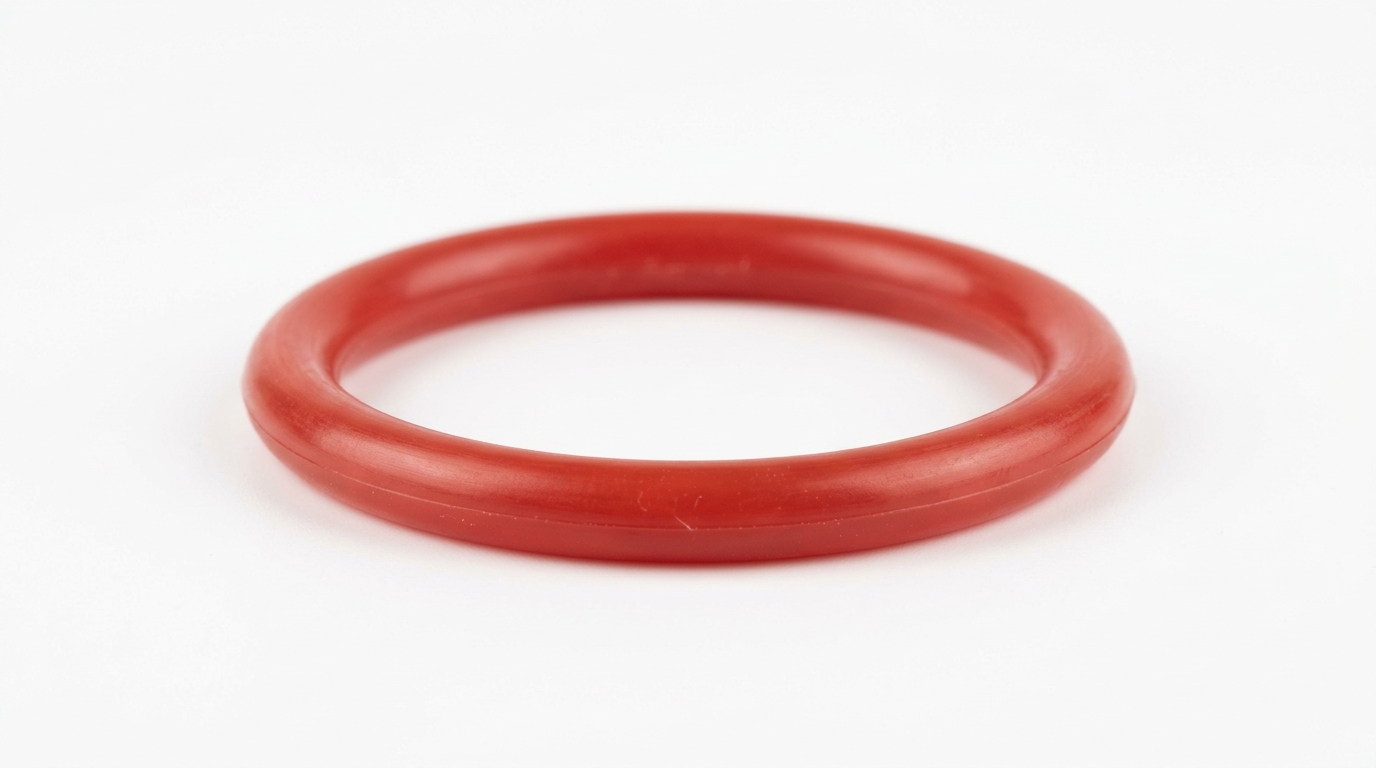
Silicone O-RingsPTFE SealsFood Grade GasketsSilicone SheetsDiaphragms
Recommended Materials
SiliconePTFEEPDM
Key Applications
Mixing Equipment
Processing Systems
Filling Machines
Sterile Vessels
Pump Seals
Valve Seats
FDA/USP Compliant
Cleanroom Safe
Sterilization Rated
Zero Contamination
Biocompatible
Do you supply FDA-compliant silicone seals for pharmaceutical use?
Yes. We supply food and pharma-grade silicone O-Rings and sheets that comply with FDA 21 CFR and USP Class VI standards. These materials are platinum-cured for purity and are suitable for direct product contact applications.
Need Pharmaceutical-Grade Sealing? Compliant products for regulated manufacturing environments.
Industry 05

Food Processing Industry

Food and beverage processing demands materials that are hygienic, non-toxic, odourless, and easy to clean. Sealing components come into direct or indirect contact with food products, and any contamination can have serious health and regulatory consequences. Materials must withstand CIP/SIP cleaning cycles, temperature extremes of hot filling and cold storage, and resist the growth of bacteria on their surfaces.

Food Processing Sealing
Common Challenges
  • Food safety and FSSAI/FDA compliance requirements
  • Microbial contamination in crevices and joints
  • Thermal cycling from hot processing to cold storage
  • Cleaning chemical resistance (NaOH, peracetic acid)
  • Oil and fat resistance in dairy and cooking applications
Products Used
Food Grade SiliconePTFE SealsFood Grade EPDMRubber GasketsSilicone SheetsO-Rings
Recommended Materials
SiliconePTFEEPDM
Key Applications
Processing Equipment
Packaging Lines
Mixing Tanks
Conveyor Systems
Filling Valves
Cold Storage Doors
Food Grade Certified
Hygiene Assured
CIP/SIP Compatible
Temp. Stable
Non-Toxic & Odourless
Do you supply food-grade rubber products?
Yes. We supply food-grade silicone, EPDM, and PTFE products compliant with relevant food contact regulations. Our silicone O-Rings are available in FDA 21 CFR 177.2600 grade, suitable for direct food contact applications.
Need Food-Safe Sealing Solutions? Hygienic products for food and beverage processing.
Industry 06

Construction Industry

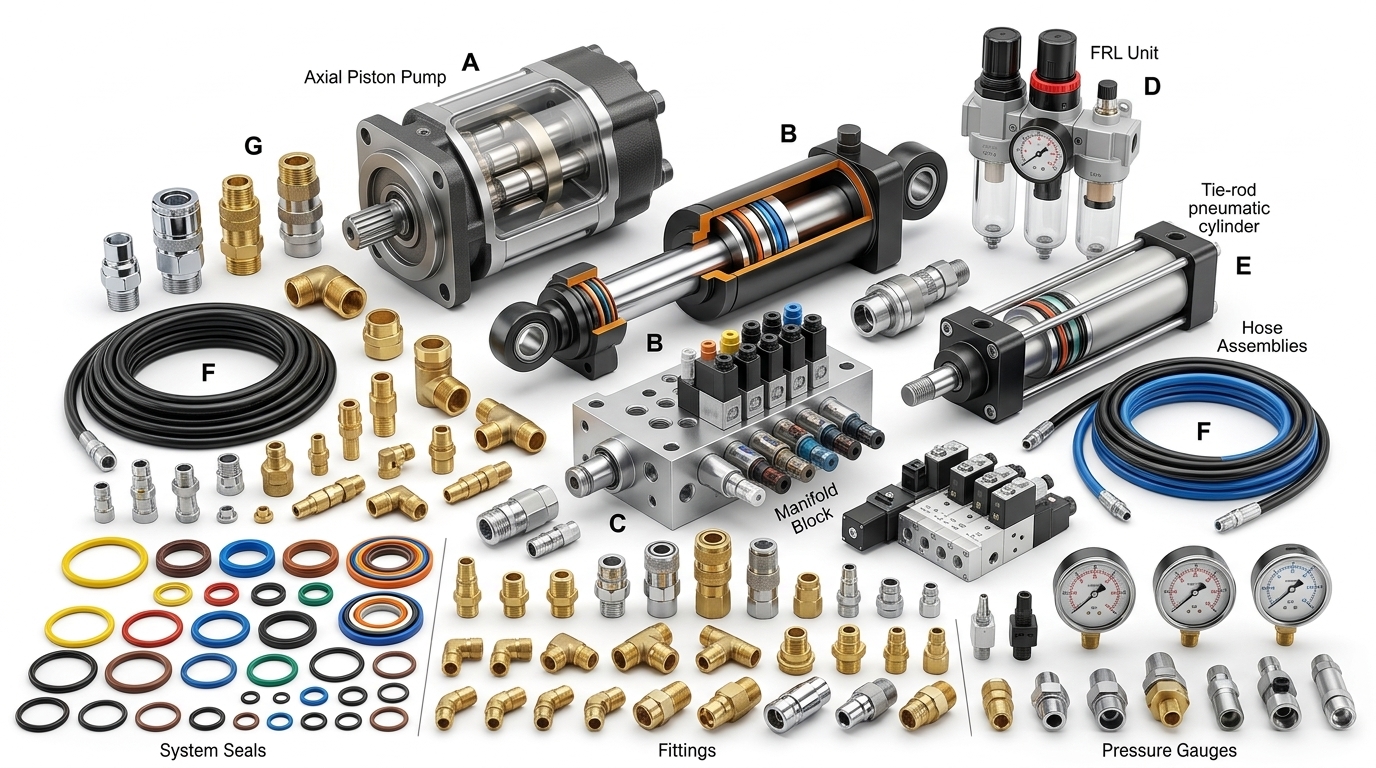
Construction equipment operates in some of the harshest conditions on earth — extreme dust, mud, moisture, shock loads, and continuous operation. Hydraulic cylinders in excavators, loaders, and cranes are subject to heavy side loads and abrasive contamination. Sealing failure in a construction machine can lead to hydraulic fluid loss, cylinder damage, and expensive downtime on critical job sites.
Construction Equipment Sealing
Common Challenges
  • Abrasive dust and debris damaging hydraulic seals
  • High-impact shock loads on cylinder seals
  • Outdoor exposure to UV, ozone, and weather
  • Wide ambient temperature range (–20°C to +60°C)
  • Muddy and water-contaminated environments
Products Used
Hydraulic SealsOil SealsWiper SealsRubber SheetsO-RingsPU Seals
Recommended Materials
NBRPolyurethaneEPDM
Key Applications
Excavators
Loaders & Dozers
Cranes & Lifters
Concrete Pumps
Drilling Equipment
Compaction Machines
Need Construction Equipment Sealing? Heavy-duty solutions built for the toughest job sites.
Industry 07

Steel Industry

Steel production facilities operate at extreme temperatures, with heavy rolling loads, scale-laden cooling water, and highly abrasive mill scale. Hydraulic systems control roll positioning, mill stands, and continuous caster operations. Seals must handle elevated temperatures from radiant heat near furnaces, contaminated hydraulic fluids, and high-pressure systems that operate 24/7 with minimal downtime windows for maintenance.
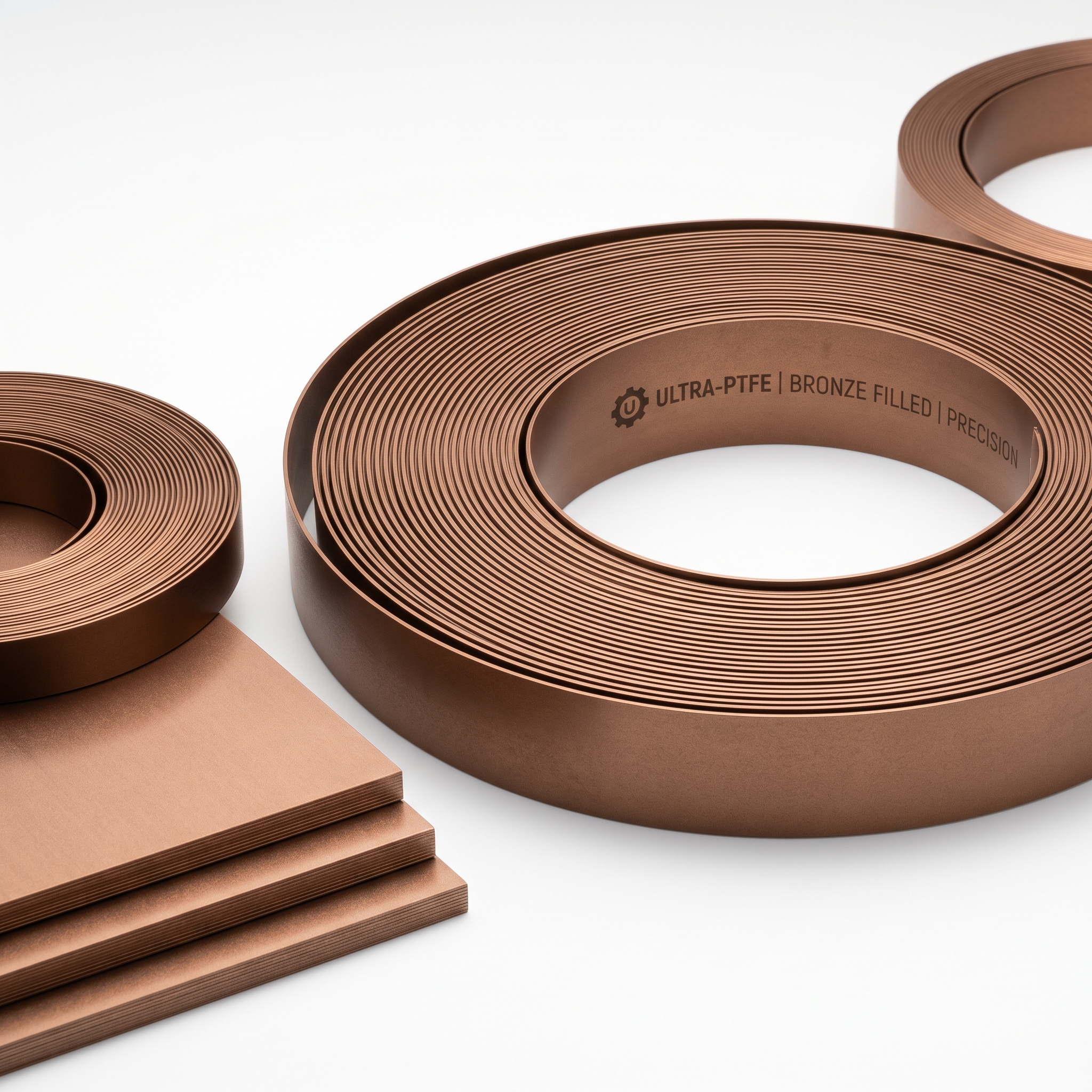
Steel Industry Sealing
Common Challenges
  • Very high ambient temperatures near furnaces and rolling mills
  • Abrasive mill scale contaminating hydraulic systems
  • High-pressure hydraulic systems under heavy cyclic loads
  • Water and steam exposure in cooling sections
  • 24/7 continuous operation with minimal maintenance windows
Products Used
High Temp. SealsRubber SheetsPTFE ProductsHydraulic SealsViton O-Rings
Recommended Materials
Viton FKMPTFESilicone
Key Applications
Steel Mills
Rolling Mills
Hydraulic Systems
Continuous Casters
Cooling Systems
Furnace Equipment
Need Steel Industry Sealing? High-temperature, high-pressure products for steel and metals processing.
Industry 08

Water Treatment

Water treatment plants — municipal, industrial, and effluent — rely on sealing products that resist chlorine, ozone, disinfectants, and biological treatment chemicals. Valves, pumps, and pipeline flanges must remain leak-free under varying pressure and temperature conditions. EPDM is the preferred material in this sector due to its outstanding resistance to water, ozone, and the chemical cocktails used in treatment processes.
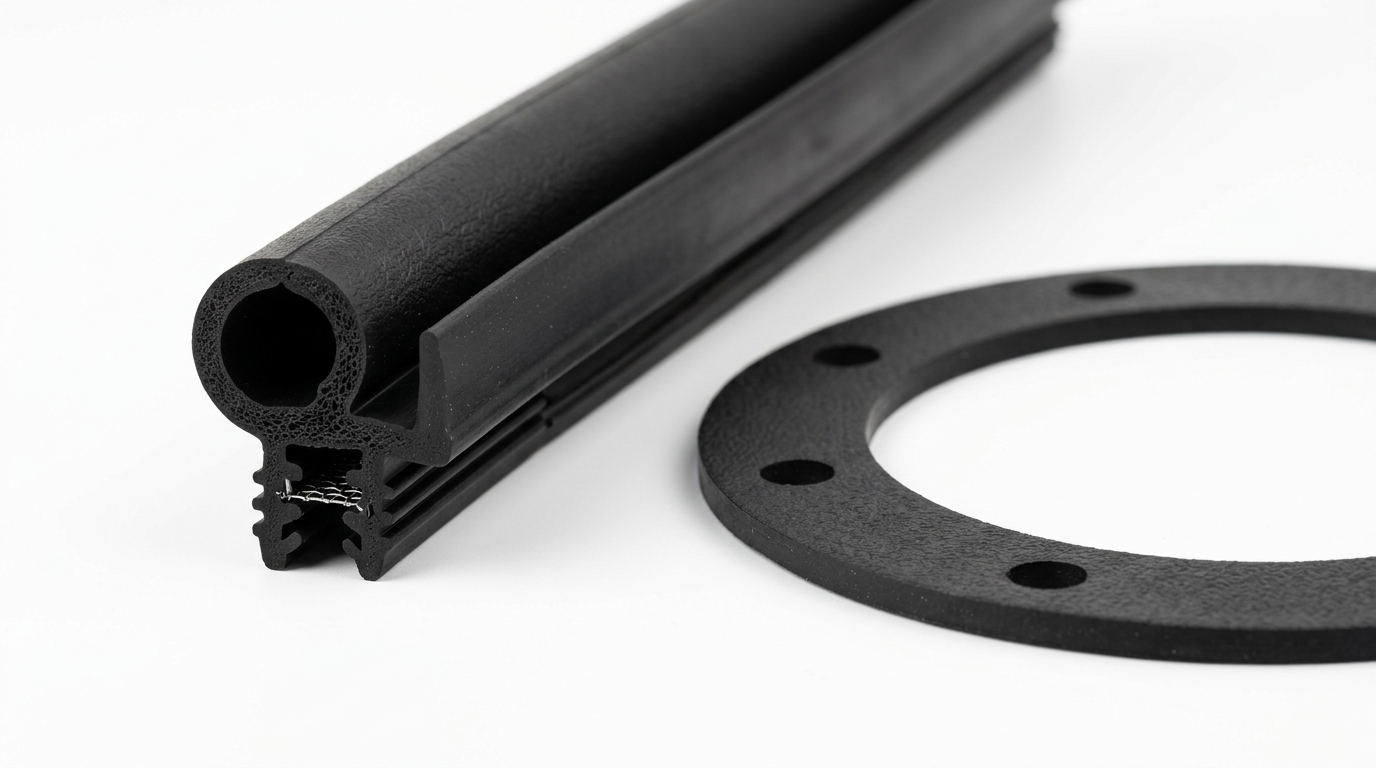
Water Treatment Sealing
Common Challenges
  • Chlorine and ozone attack on non-EPDM materials
  • Biological fouling in low-flow areas
  • Chemical dosing fluids (acids, hypochlorite, coagulants)
  • UV and weather exposure in outdoor installations
  • Continuous duty pumping with minimal service access
Products Used
EPDM O-RingsPTFE SealsRubber GasketsDiaphragmsEPDM Sheets
Recommended Materials
EPDMPTFENeoprene
Key Applications
Treatment Plants
Pump Stations
Valve Sealing
Pipeline Flanges
Filter Systems
Dosing Pumps
Need Water Treatment Products? Ozone and chemical-resistant seals for plant reliability.
Industry 09

Power Plants

Thermal, nuclear, and renewable power generation facilities operate under continuous high-pressure steam, elevated temperatures, and demanding mechanical conditions. Sealing failures in turbine systems, boilers, and steam lines can cause catastrophic equipment damage and unplanned plant shutdowns. Only the highest-performing sealing materials — PTFE, Viton, and high-temperature gaskets — meet the reliability standards required by the power generation sector.

Power Plant Sealing
Common Challenges
  • High-pressure steam (up to 600°C and 300 bar)
  • Thermal expansion and contraction cycling in metal joints
  • Turbine oil and lube oil sealing at high temperatures
  • Continuous 24/7 operation with zero tolerance for leaks
  • Creep relaxation in gaskets under long-term compression
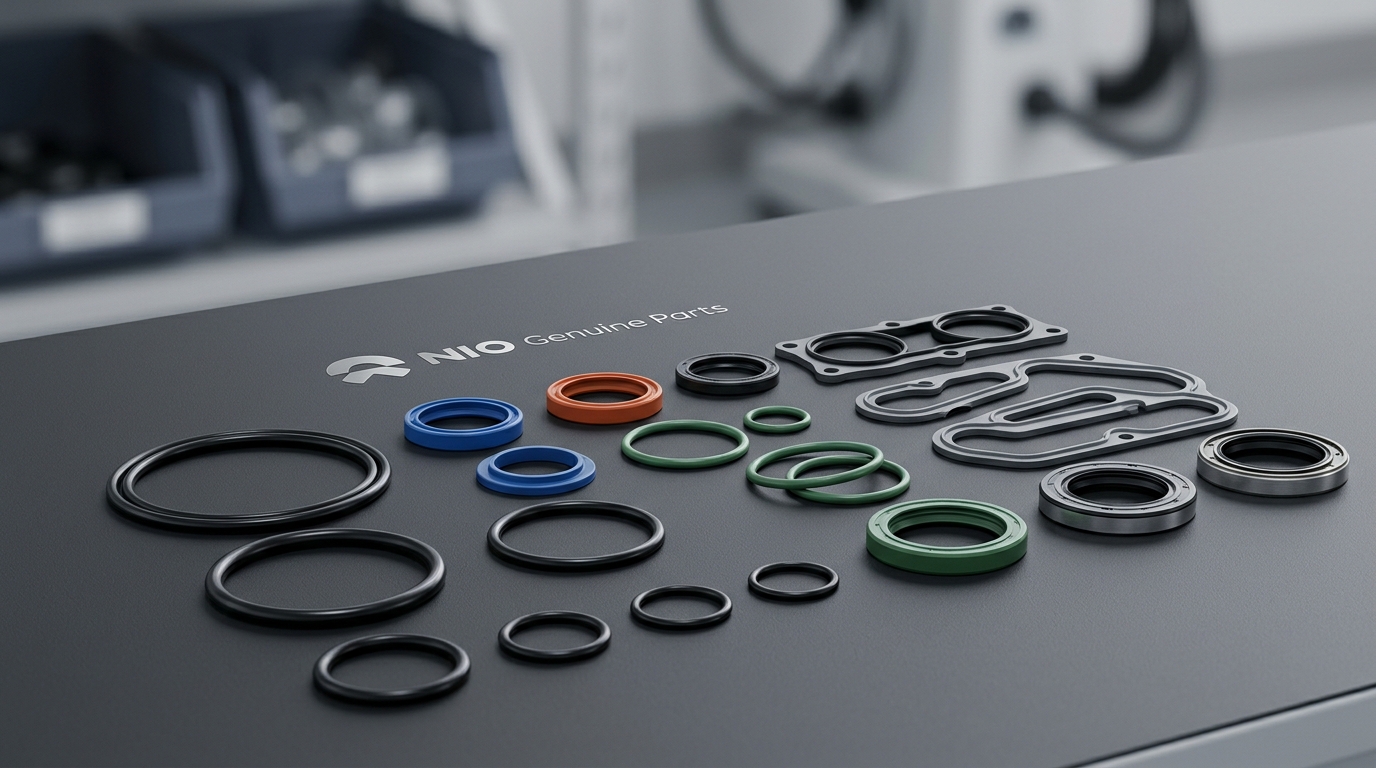
Products Used
PTFE SealsViton O-RingsHigh Temp. GasketsSilicone SealsDiaphragms
Recommended Materials
PTFEViton FKMSilicone
Key Applications
Steam Systems
Turbines
Boilers
Condensers
Feed Water Pumps
Cooling Towers
Need Power Generation Sealing? High-temperature, high-pressure products for plant reliability.
Industry 10

Heavy Engineering

Heavy engineering encompasses mining equipment, industrial presses, large-scale material handling systems, and custom machinery built for the most demanding industrial applications. These machines impose massive loads on sealing components — high-stroke hydraulic cylinders, rotating shafts carrying large bearings, and conveyor systems operating in abrasive environments all require seals that combine high-load capacity with long service life to minimize costly shutdowns.

Heavy Engineering Sealing
Common Challenges
  • Extremely high-pressure hydraulic cylinder sealing
  • Abrasive mining environments with rock dust and slurry
  • Very large bore sizes requiring custom seal dimensions
  • Extended maintenance intervals in remote locations
  • Heavy shock and impact loads on sealing components
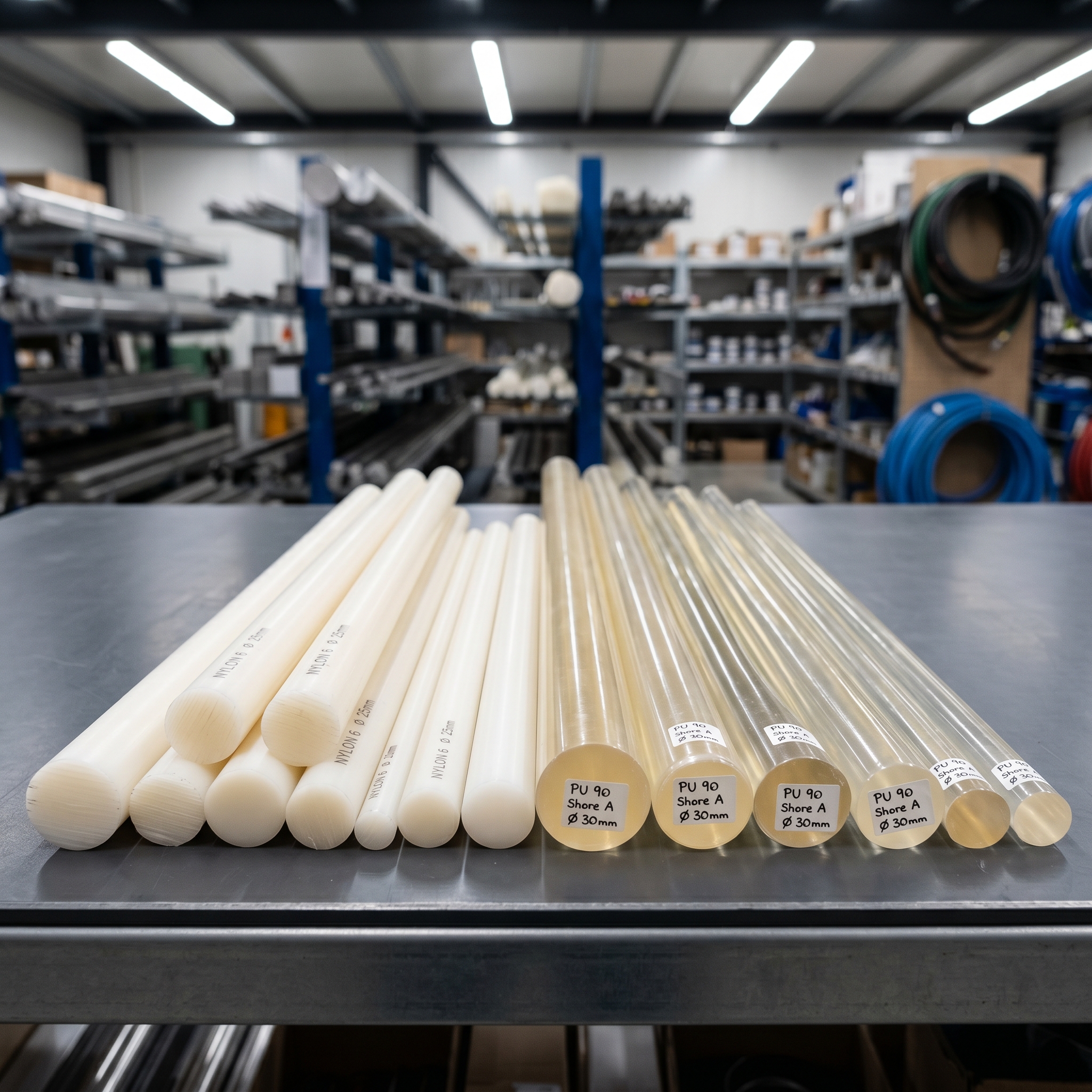
Products Used
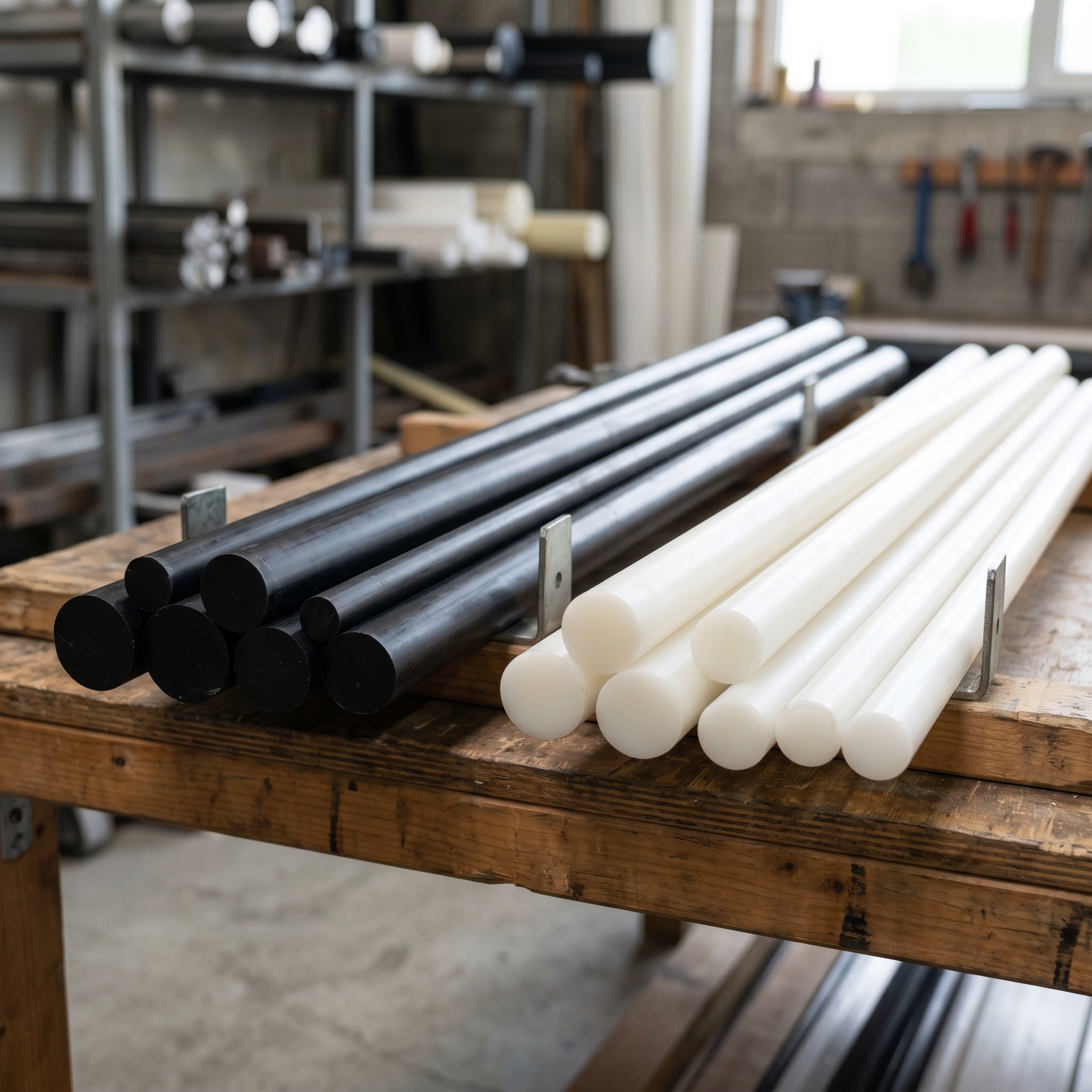
PU SealsHydraulic SealsOil SealsRubber SheetsCustom GasketsEngineering Plastics
Recommended Materials
PolyurethaneNBRPTFE
Key Applications
Mining Equipment
Industrial Presses
Heavy Machinery
Large Cranes
Conveyor Systems
Forging Equipment
Can you supply custom-size seals for large industrial equipment?
Yes. We offer custom sealing solutions manufactured to your drawings or sample. For very large bore sizes common in heavy engineering, we fabricate seals in PU, NBR, and other materials to meet your exact dimensional requirements and operating conditions.
Need Heavy Engineering Solutions? Custom and standard sealing for the most demanding applications.
Product Matrix

Product Application Matrix

A quick-reference guide to products, materials, and conditions across all industries we serve.

Industry Key Products Recommended Materials Operating Conditions Maintenance Benefit
AutomotiveO-RingsOil SealsHydraulic SealsNBRVitonPTFE–40°C to 200°C, Oil, FuelZero-leak engine performance
ManufacturingHydraulic SealsPneumatic SealsO-RingsPUNBRPTFEUp to 350 bar, continuous dutyReduced production downtime
ChemicalPTFE SealsViton GasketsDiaphragmsPTFEVitonEPDMStrong acids/alkalis, 200°C+Zero contamination, plant safety
PharmaceuticalSilicone O-RingsPTFE SealsGasketsSiliconePTFEEPDMSterile, FDA, CIP/SIPRegulatory compliance assured
Food ProcessingFood Grade SiliconePTFESiliconePTFEEPDM–60°C to 230°C, food safeHygiene compliance, product safety
ConstructionHydraulic SealsWiper SealsOil SealsPUNBREPDMAbrasive, outdoor, shock loadsExtended machine uptime
Steel IndustryHT SealsViton O-RingsPTFEVitonPTFESilicone200°C+, mill scale, steamReduced unplanned shutdowns
Water TreatmentEPDM O-RingsPTFEGasketsEPDMPTFENeopreneOzone, chlorine, UV outdoorLong seal life, low maintenance
Power PlantsPTFE SealsVitonHT GasketsPTFEVitonSilicone300°C+, steam, 24/7 operationPlant safety and reliability
Heavy EngineeringPU SealsHydraulic SealsCustomPUNBRPTFEHigh load, abrasive, large boreCustom fit, extended intervals
Industry Comparison

Requirement Comparison

How sealing requirements vary across the industries we serve.

Industry Oil Resist. Chem. Resist. Steam Resist. Food Grade Wear Resist. Outdoor
Automotive🟡🔘🔘🟡
Manufacturing🟡🟡🔘🟡
Chemical🟡🟡🔘🟡🟡
Pharmaceutical🔘🟡🔘
Food Processing🟡🟡🟡🔘
Construction🔘🔘🔘
Water Treatment🔘🔘🟡
Power Plants🟡🔘🟡🔘
✅ Critical requirement🟡 Moderate requirement🔘 Low / not applicable
Success Factors

Why the Right Material Makes All the Difference

Choosing the correct sealing material delivers compounding benefits across your entire operation.

01
Equipment Performance
Correct sealing maintains system pressure, prevents fluid loss, and ensures mechanical precision — keeping your equipment performing at rated specifications.
02
Machine Reliability
Premium-grade materials resist chemical attack, temperature extremes, and mechanical wear — delivering consistent, predictable performance throughout the service life.
03
Reduced Downtime
Longer-lasting seals mean fewer maintenance interventions, reducing unplanned stoppages and keeping production schedules on track.
04
Improved Safety
Proper sealing prevents leaks of hazardous fluids, flammable media, and toxic chemicals — protecting your workforce and meeting regulatory requirements.
05
Lower Maintenance Cost
Investing in the correct seal upfront eliminates the hidden costs of repeated replacements, hydraulic fluid waste, and collateral damage to surrounding components.
06
Longer Equipment Life
Preventing micro-leaks and contamination ingress protects bearings, cylinders, and precision components from accelerated wear, extending the service life of your capital assets.
07
Higher Productivity
Reliable equipment runs continuously at rated output. Eliminating seal-related stoppages directly improves OEE (Overall Equipment Effectiveness) and plant throughput.
08
Technical Support
Our team provides material selection guidance, application engineering support, and troubleshooting to help you achieve optimal sealing performance on the first attempt.
FAQ

Frequently Asked Questions

Answers to the most common questions about our industrial sealing products and services.

Which material is best for chemical plant sealing applications?
PTFE offers the broadest chemical resistance, followed by Viton (FKM) for dynamic applications. The correct selection depends on the specific chemicals, temperatures, and pressure involved. Contact our team for a material compatibility assessment.
Which seals are suitable for hydraulic equipment?
Polyurethane (PU) seals are the industry standard for high-pressure hydraulic cylinders due to their exceptional abrasion resistance and tensile strength. NBR O-Rings are used for static joints and low-pressure connections.
Do you supply food-grade rubber products?
Yes. We supply FDA and food-grade compliant silicone, EPDM, and PTFE products for food and pharmaceutical applications. All food-grade materials are clearly identified and documented for traceability.
Can you manufacture custom seals to our specifications?
Yes. We offer custom sealing solutions manufactured to your drawings or samples in a wide range of materials. Minimum order quantities apply. Please share your technical requirements with our team for a quotation.
How do I select the correct sealing material for my application?
Material selection depends on: the fluid or media being sealed, operating temperature range, pressure, dynamic or static application, and regulatory requirements. Share these parameters with our technical team and we will recommend the optimal material for your specific conditions.
Do you support bulk industrial orders and repeat supply?
Yes. We supply bulk quantities to industrial buyers across India with competitive pricing, consistent quality, and reliable delivery schedules. We can set up repeat supply arrangements with agreed lead times to support your procurement planning.
Industrial Solutions Partner

Need Sealing Solutions
for Your Industry?

Our technical team can help you choose the right products and materials for your application. Fast delivery across India. Expert support guaranteed.